Tapping into the potential of virtual fencing
Exploring the untapped potential of virtual fencing in New Zealand farming systems is the subject of a new project, Novel Grazing Techniques enabled by Virtual Fencing Technologies. Funded by the T. R. Ellett Agricultural Research Trust, the project is being led by Bay of Plenty Perrin Ag farm consultant, Braydon Schroder.

The project will investigate and trial novel grazing practices made possible through virtual fencing technology. It aims to identify how new approaches to pasture management can improve productivity and profitability on New Zealand farms.
The rise of virtual fencing in pasture-based systems in New Zealand presents an opportunity, particularly as new players enter the market and this technology increasingly becomes a cost-effective solution for farmers, at scale.
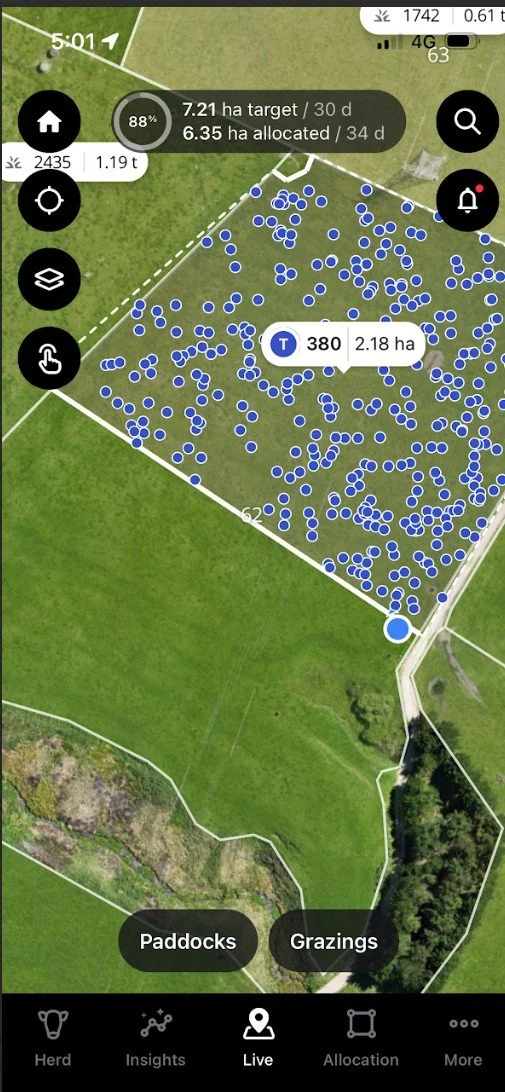
In his work with clients, Schroder could see the use of virtual fencing was becoming more widespread but says anecdotal evidence suggests some farmers are still using virtual fencing to replicate traditional systems rather than unlock new opportunities.
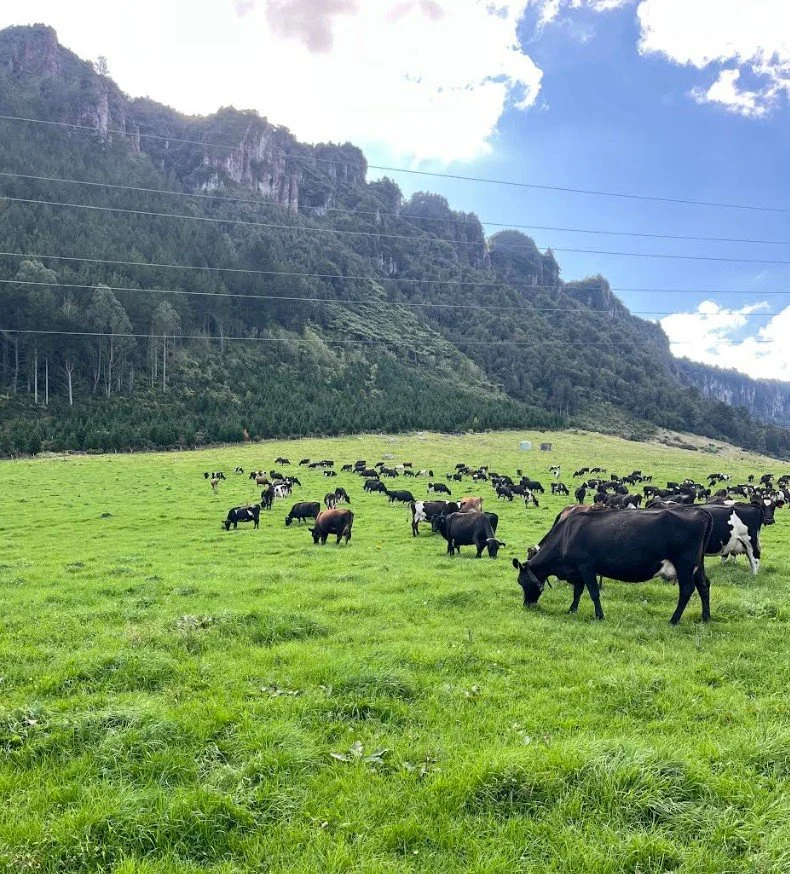
“Visually, I saw what was possible, and how it has transformed grazing on some farms, it’s been revolutionary for some. That triggered me to explore what else we can do with it,” he explains.
“We have farmers with the technology and some that have had it for over three years already. Ultimately, it’s here and it’s here to stay, rather than asking if it’s viable and feasible it’s looking at what else can we achieve grazing-wise in terms of pasture utilisation. For example, improved weaning of calves off cows in the paddock is something that is already happening. Others are break fencing areas that otherwise were seen as impractical. Others shifting multiple times per day to encourage intakes and are changing the number of herds to reduce herd competition. What measurable gains can we achieve in the industry with this technology and what other grazing and system techniques can it unlock?”
As farmers adopt new technology and look for ways to increase efficiency and profitability in their operations, interest in this project has been high, Schroder says. The project seeks to uncover any untapped potential of virtual fencing and give farmers the confidence to adopt new approaches to grazing management.
The project has three key aims:
1. Identify and validate innovative grazing strategies made possible by virtual fencing, supported by farmer insights, workshops and already completed research.
2. Trial these strategies on selected early adopting farms, collecting data on pasture harvested, adoption challenges, and performance data.
3. Share findings widely with the pastoral sector through farmer workshops, field days, webinars, and industry publications, ensuring practical knowledge reaches rural professionals and farmers.
Schroder says the project approach can be replicated across dairy, beef finishing and beef breeding systems.
The project kicked off in early 2026 and also plans to have involvement from industry good groups, like DairyNZ and Beef + Lamb New Zealand.
Having the backing of an independent Trust like T. R. Ellett was important to Schroder, rather than funding from commercial players with an interest in the possible outcome, it lends extra credibility to the findings.
“Having that philanthropy aspect, it’s amazing how it enables us to get farmers using the different technologies available in the same room to discuss opportunities and challenges, without having the competition aspect.
“T. R. Ellett has no commercial interest in the product, that’s hugely valuable. Their focus is pasture, pasture, pasture, which is a perfect fit for this project,” he says.
“Some people are already doing amazing things and unlocking new ways of improving pasture utilisation using virtual fencing. We want to collate those ways and understand what else is possible, and share that knowledge,” Schroder sums up.
“I have no doubt that we will uncover new ways of using the technology, for future opportunity.”
Braydon Schroder, Farm Consultant Perrin Ag