
Resources to support emerging animal health, welfare, and production researchers in NZ
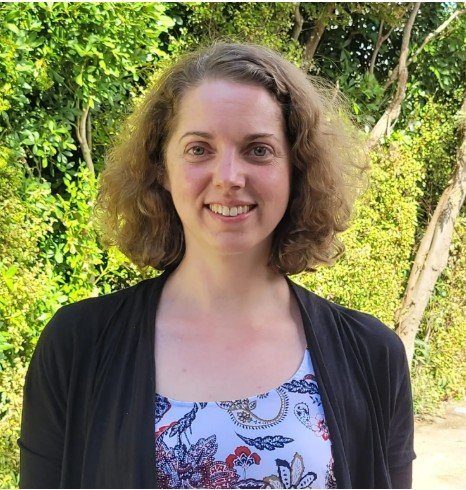
Bringing research to life. A passion for helping researchers do good quality research that people can use in real life is a driver for AkoVet’s Carolyn Gates.
Funded by the T. R. Ellett Agricultural Research Trust, the project ‘Launching extension resources to support emerging animal health, welfare and production researchers in New Zealand’ has recently been completed.

AkoVet is all about advancing animal care, and providing decision support for animals, people and systems. Their newly launched research hub for researchers is one element of their offering and houses a vast suite of resources designed to guide researchers through the process of turning research ideas into real-world impacts.
Carolyn Gates, Co-Founder of AkoVet
The framework focuses on identifying the key activities researchers need to perform across their careers and then crafting clear learning pathways to support their progression from novice to competent practitioner.
Resources include an overview of New Zealand’s animal production systems, a map of key animal health stakeholders, and a practical toolkit guiding users through the full research cycle, from idea generation and stakeholder engagement, through study design, ethics and implementation, to data analysis, writing and knowledge dissemination. 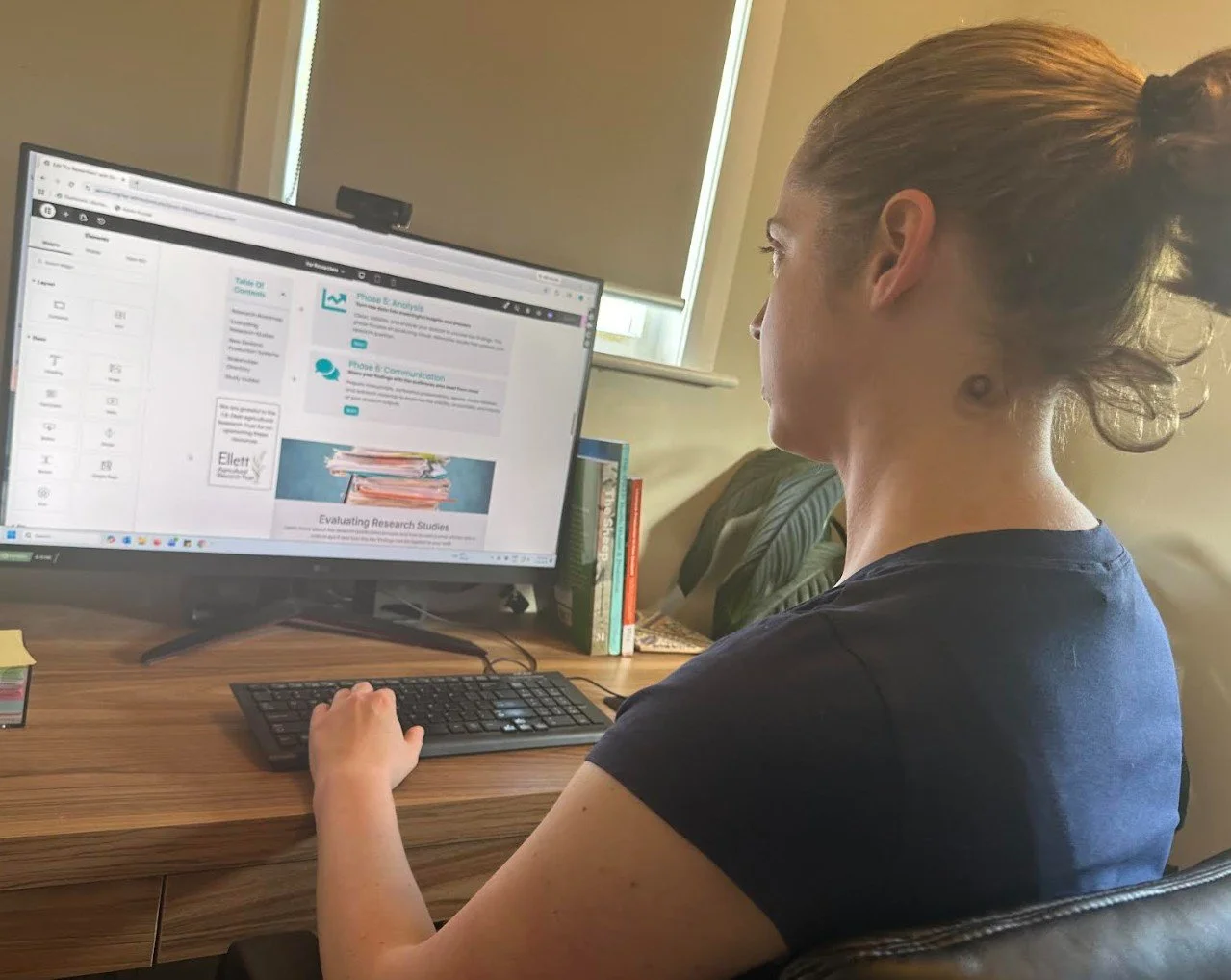
Carolyn Gates, working on the research hub system
On leaving Massey and founding AkoVet with Kat Littlewood and Seton Butler in 2023, Carolyn knew she had a fantastic bank of resources, and she wanted to find a way to house them in one accessible place where they would be free for anyone to use.
Money from the T. R. Ellett Trust was used to fund the AkoVet website development, including a resource hub to collectively bring together all her resources in one place.
“A lot of the New Zealand research workforce is people who have worked overseas. Many of the New Zealand production systems are quite different compared to other countries and the resources also give tips for working in the New Zealand research ecosystem,” she explains.
It was through her work as an academic at Massey University’s vet school that Carolyn realised there was a need for resources to support those undertaking research. “A lot of my job was mentoring and supervising postgraduates, new graduates and veterinarians through the challenges of designing good quality research. There was plenty of enthusiasm and great ideas, but where we were falling down was in the delivery. I ended up creating a huge package of resources to help people design and deliver research.”Kat’s area of expertise is in animal welfare science, ethics and law, helping people and organisations make clear and defensible decisions about animal care when the evidence is complex and stakes are high. She combines science, ethics and practical decision tools so actions work in the real world. Together, their goal is to make science accessible, not only to researchers, but to those people and organisations who use it to inform decisions.
“One of my frustrations with research is how many valuable findings never make it beyond a desktop or only emerge years later in publication, when their practical impact is limited. It’s not only about improving the quality of research but also making sure it gets communicated well. Success, for me, is building a research ecosystem where we have ideas turn into well designed research and then complete the feedback loop of getting the information in the hands of those who can use it.
“People spend huge amounts of time doing this research. If it’s funded and relevant, how can we make sure it does not go to waste?”
Having the support of the T. R. Ellett Trust was a vote of confidence in her belief the resources could help people, and a provided a push to complete the project, with deadlines ensuring accountability.
“Having funding for the website development and reporting milestones in place was really good motivation for me to make it happen. Also, having someone believe that what we are doing is worthwhile.”Carolyn is currently undertaking post-graduate study through Canterbury University in health behaviour change, exploring how we can take science and knowledge and work with people to make decisions and have conversations about behaviour change.