
Phosphorus Fertiliser: A tool to reduce grass grub damage?
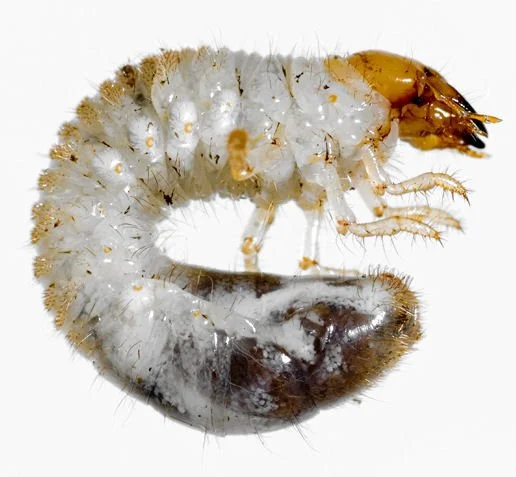
Grass grub (Costelytra giveni) is notorious in New Zealand agriculture. Every year, this soil-dwelling insect costs farmers an estimated NZ$156–425 million through reduced pasture productivity and expensive re-establishment. The larvae feed on the roots of ryegrass and clover, the backbone of our pastoral systems, leading to thinning pastures, less feed for livestock, and ultimately lower farm profitability.
Traditional chemical controls are becoming less viable. They are costly, often environmentally unsustainable, and increasingly out of step with the sector’s push toward climate-smart farming.
A Surprising Link Between Fertiliser and Pest Control
Recent research has revealed an unexpected link: phosphorus (P) fertiliser might do more than just boost plant growth, it could also suppress grass grub populations. Studies show that higher P levels reduce grass grub survival and growth, opening the door to a dual-purpose strategy: fertiliser that nourishes pastures while helping manage pests.
This insight came from Dr. Kati Hewitt’s PhD research, which explored the complex interactions between pasture grasses, Epichloë endophytes, and insect pests under environmental stress. That work laid the foundation for understanding how resource availability influences pest dynamics, and now the next step is to see how fertiliser management can become part of an integrated pest management (IPM) approach.
Building on Existing Research
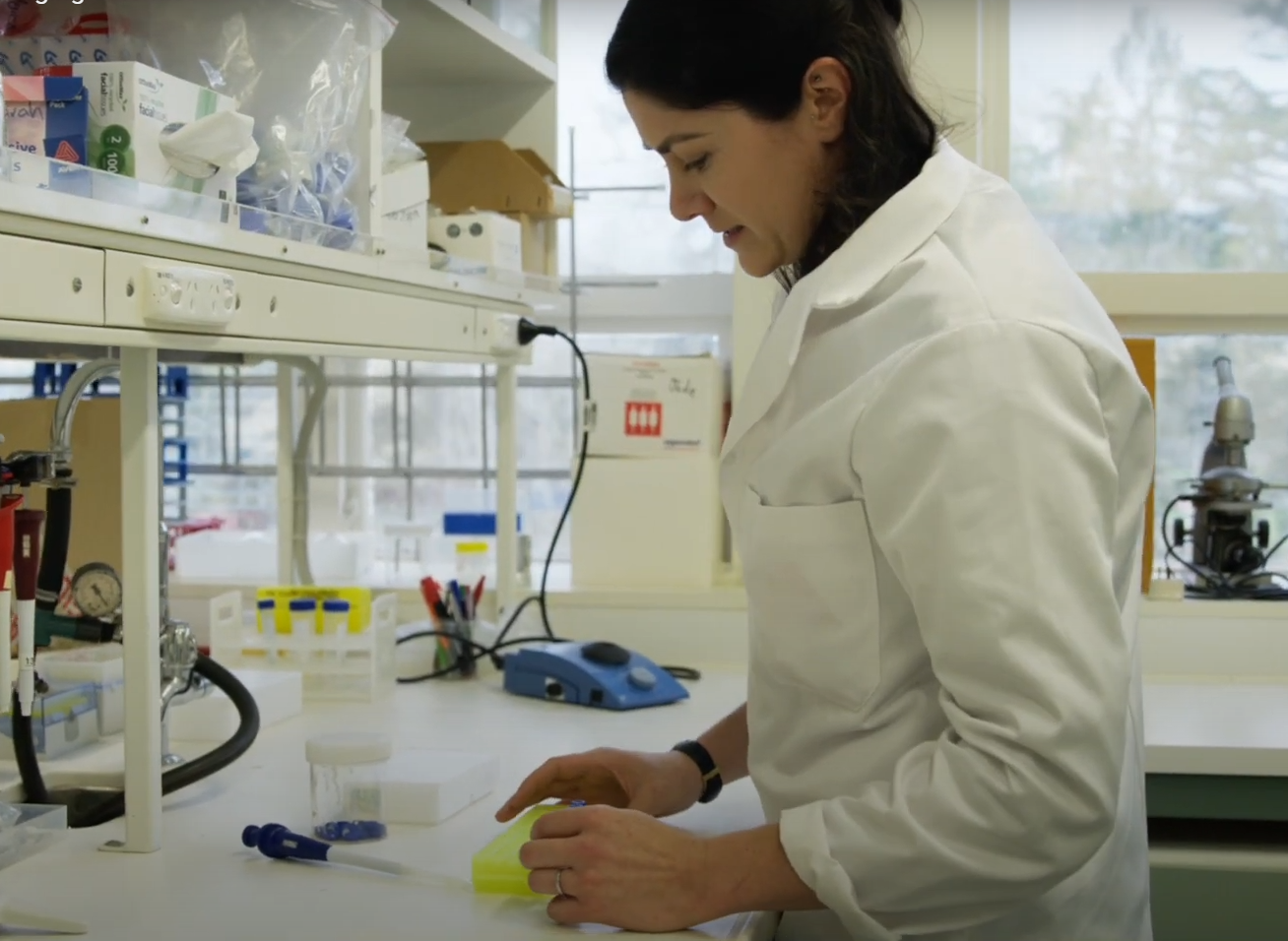
Fully supported by the T.R. Ellett Agricultural Research Trust, this project is led by Dr. Kati Hewitt, a plant-insect-interaction scientist at the Bioeconomy Science Institution at Ruakura. It builds on her earlier findings to investigate how single superphosphate, one of New Zealand’s most widely used P fertilisers, affects grass grub performance in soils with different Olsen P levels and varying properties collected from across the country.
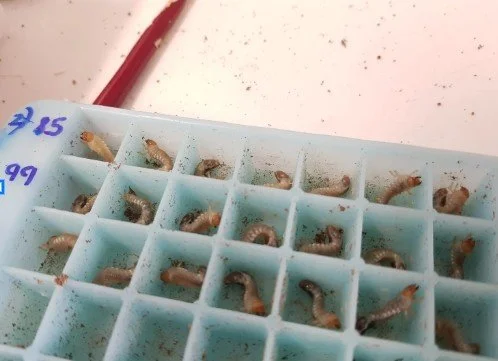
Controlled glasshouse trials will use soils from Canterbury, Waikato, and Taranaki to capture regional variation. Grass grub larvae will be introduced into pots where perennial ryegrass is grown under different P levels and fertiliser treatments, allowing researchers to measure larval survival, growth, and plant health.
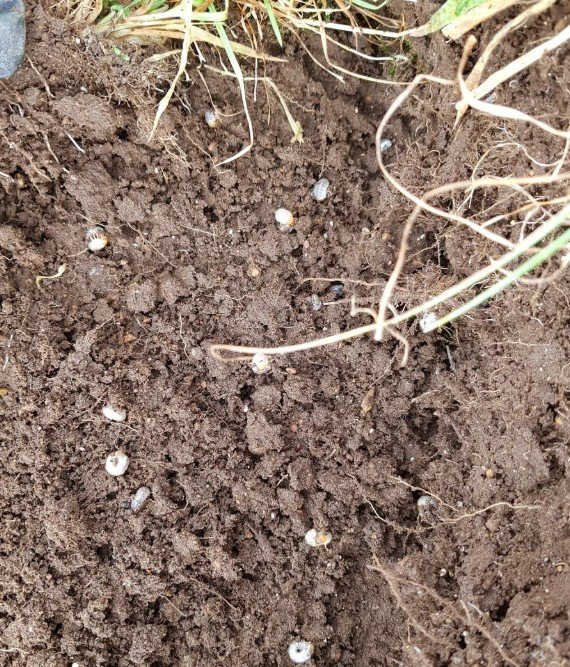
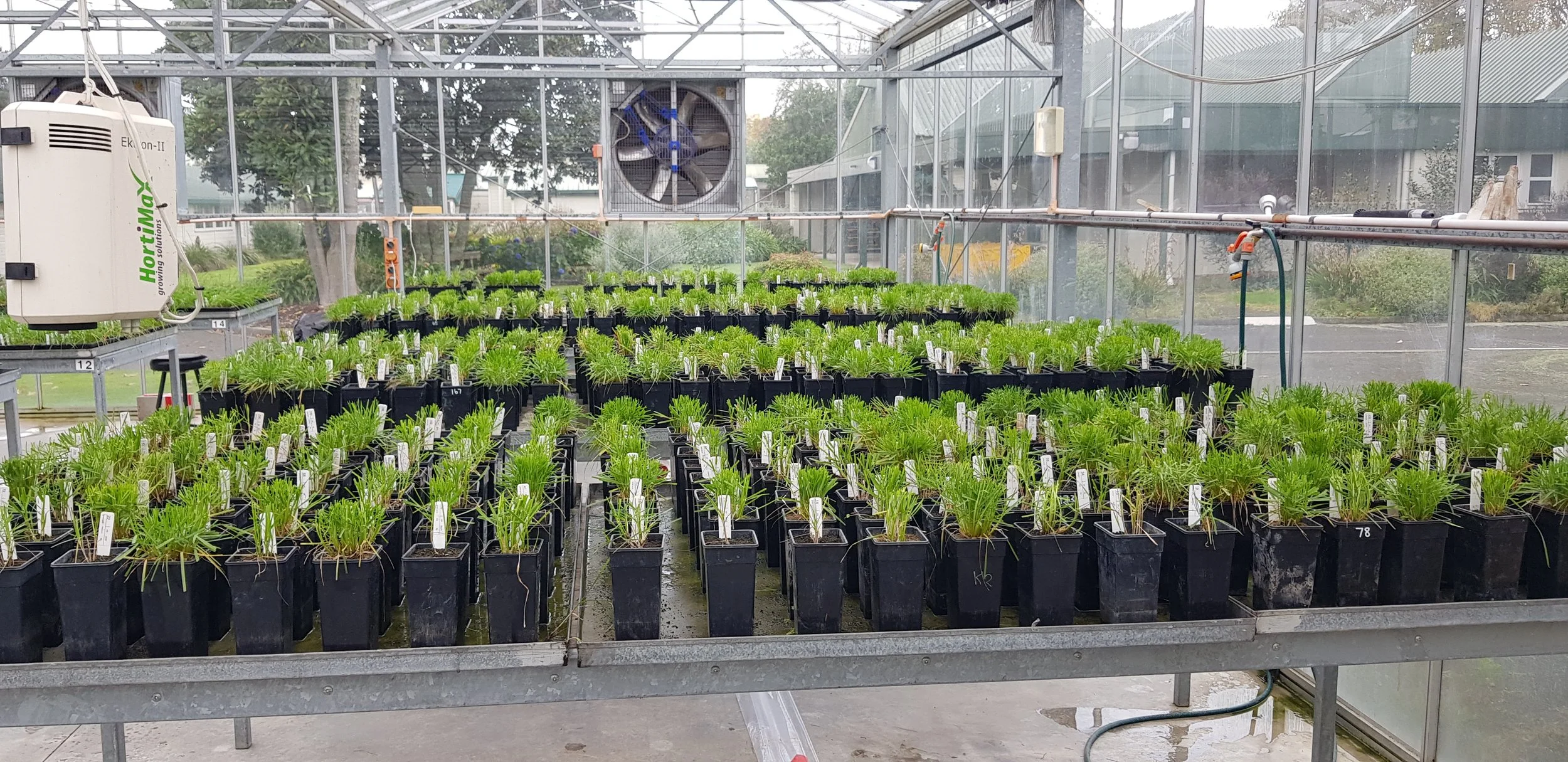
The project also includes a field research component, partnering with farmers who have grass grub problems and established P fertiliser regimes. By monitoring grass grub populations before and after P fertiliser applications under real farming conditions, the research will determine if the effects observed in controlled trials are repeatable in practice. This farmer-focused approach ensures the outcomes are practical, relevant, and immediately useful, helping farmers protect pastures, reduce pest pressure, and maintain profitability without major changes to their systems.
This research addresses a critical gap in our understanding of how fertiliser practices interact with insect pests, and it has the potential to transform pasture management. Yet, as with all good science, the previous findings raised more questions than they answered. Why does phosphorus influence grass grub survival? Does this effect persist across different soils, climates, and farming systems? Can fertiliser management become a reliable component of integrated pest management strategies?
“Thanks to the support of the T.R. Ellett Agricultural Research Trust, we are now able to start answering these questions. Science thrives on curiosity, and every discovery opens new doors. By validating these findings in real farming environments and working closely with farmers, we aim to turn these questions into practical solutions that improve pasture resilience, reduce pest pressure, and support sustainable agriculture for New Zealand”. Dr Kati Hewitt