
Efficient resource use grasses for profitable and low emission pastoral farming

Dr Saman Bowatte, Bioeconomy Science Institute Senior ScientistPlant-based solutions could unlock a vital piece of the puzzle when it comes to helping farmers reduce Greenhouse Gas (GHG) emissions, while remaining profitable in pastoral farming systems.
Efficient Resource Use Grasses for Profitable and Low Emission Pastoral Farming is the title of a new research project, led by Bioeconomy Science Institute senior scientist Dr Saman Bowatte, and funded by the T. R. Ellett Agricultural Research Trust. The project, which is about to get underway, aims to identify plant traits that optimise productivity while minimising nitrogen losses, with an end goal of helping inform better decisions by plant breeders.
“The long-term impact would be to provide information that helps deliver high productivity and low GHG emitting pastures,” Bowatte explains.

As farmers come under increasing societal and regulatory pressure to reduce GHG emissions, while simultaneously maintaining profitable farming systems, greater emphasis is being placed on plant-based solutions to reduce emissions.

“In New Zealand, nitrous oxide emissions in grazed pastures contribute nearly 12% of the nation’s total GHG emissions, which is significant. We need to develop new methods and technologies to help farmers lower emissions,” he says. “Plants are a big component of farming systems and they’re already there. One observation we have made is that acquisitive plants, those with higher growth rates or bigger plants, tend to promote lower nitrous oxide emissions.”

This observation is backed up by overseas research on the subject, which shows that faster growth, bigger plants can uptake more nitrogen from the soil and are associated with lower nitrogen losses. Urine patches, where nitrogen inputs exceed plant demand, are major hotspots for N₂O emissions. Interestingly, the observed reduction in urine patch emissions under acquisitive plants cannot be explained solely by enhanced plant uptake reducing nitrogen availability to microbes. This suggests that additional, yet unresolved, mechanisms are at play. 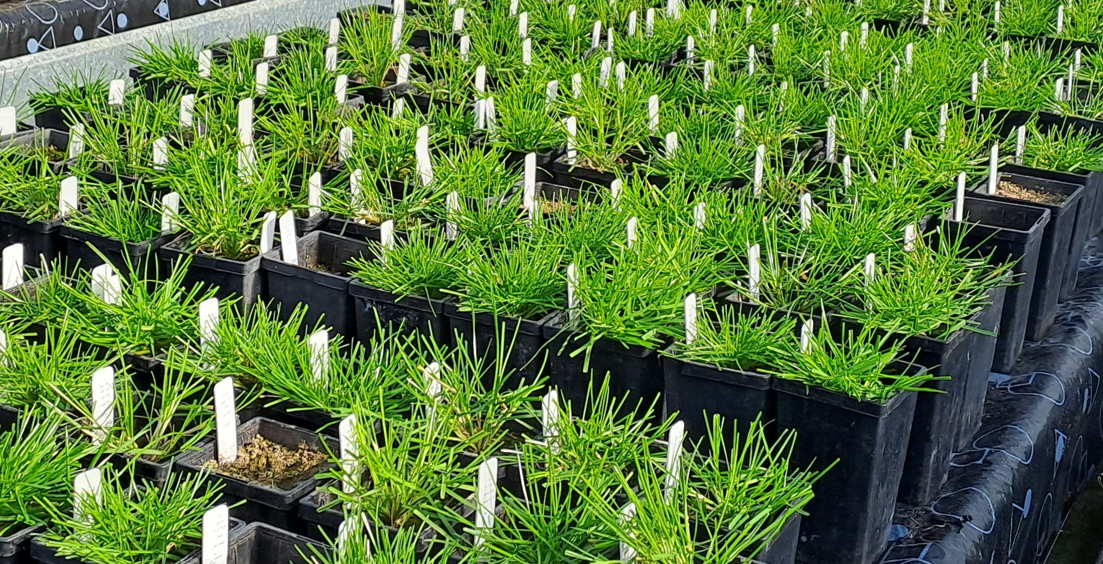
The new research aims to explore the unknown mechanisms behind this observation. Bowatte explains that within a plant species, such as ryegrass, there will be acquisitive and conservative plants. The first aim in the research is to identify and characterise the different plants by growing and measuring the plants that fit into the acquisitive and conservative categories.  The second step, once plants are identified, is to add animal urine and measure the below ground response. Things to be measured include nitrous oxide, soil pH, soil moisture and microbe abundance and their activity.

Finally, they will use both sets of data, plant characteristics and soil functions, to analyse and identify critical plant traits of acquisitive plants that drive lower emissions. This information can then be passed on to plant breeders. While the research is not designed to deliver an immediate practical result, Bowatte says work to understand the fundamentals that underpin our ability to deliver better products for farmers is a crucial step in the process.

He appreciates the support of the T. R. Ellett Trust in recognising the importance of this fundamental groundwork, but also their support of his successful application with the Ag Emissions Centre to gain a scholarship for a PhD student to help carry out the research. The student, who is coming from the Philippines, will be based in Palmerston North with Bowatte while carrying out his PhD through Lincoln University.

“I was fortunate that both applications were successful. It is pleasing the Trust identified that this fundamental understanding phase is important to help develop better products in the future. I could not do the research without the PhD fellowship and I appreciate that they were not only willing to back this project, but they went above and beyond to support my application to the Ag Emissions Centre also.”